
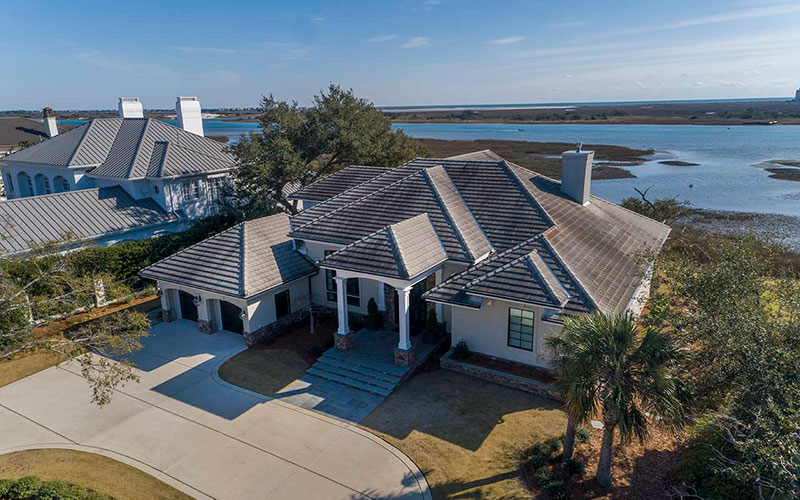
Coastal Home Construction: What Every Homeowner Should Know Before Building
Building a home near the water is an exciting opportunity to create a one-of-a-kind living experience. However, coastal home construction involves unique challenges that require careful planning long before the first shovel enters the ground. From site evaluations and permitting requirements to engineering and material selection, understanding the coastal home construction process can help homeowners avoid costly surprises and build with confidence.
Whether you’re planning a custom waterfront residence or building your forever home near the coast, taking the right steps early can make all the difference.
Why it all Starts with the Property
Every successful coastal home construction project begins with understanding the land itself. Coastal properties often have specific development restrictions, environmental considerations, and engineering requirements that influence design and construction decisions.
Before purchasing or developing a lot, homeowners should evaluate:
- Flood zone designations
- Wetlands and environmental buffers
- Setback requirements
- Soil conditions
- Drainage patterns
- Utility availability
- Local zoning regulations
A thorough site assessment helps identify potential challenges before they become expensive problems during construction.
For more information about flood risk assessments, visit the FEMA Flood Map Service Center.
Coastal Builds and Permitting Requirements
One of the most important aspects of coastal home construction is navigating the permitting process. Depending on the property’s location, approvals may be required from multiple agencies before construction can begin.
Permitting often involves:
- Boundary and topographic surveys
- Site planning
- Engineering reviews
- Environmental approvals
- Building permits
- Utility coordination
- Construction inspections
An experienced builder can help coordinate these requirements and keep your project moving forward efficiently.
Learn more about coastal permitting requirements through the North Carolina Department of Environmental Quality.
Design Considerations for Waterfront Homes
Successful residential construction balances beauty, functionality, and long-term durability. Homes near the water must withstand environmental conditions that inland homes rarely encounter.
Key design considerations include:
- Elevated foundations
- Wind-resistant structural systems
- Impact-rated windows and doors
- Moisture management strategies
- Outdoor living spaces
- Energy-efficient building systems
Thoughtful planning allows homeowners to maximize views while protecting their investment for years to come. Want to learn how likely an area is to flood?
Interested in designing your dream home? Explore our Custom Home Building Services page to learn more about our design-build process.
Material Selection for Long-Term Coastal Durability
Material selection plays a major role in the success of any new construction project. Salt air, humidity, wind, and moisture can accelerate wear on products not designed for coastal environments.
Recommended materials often include:
- Corrosion-resistant hardware
- High-performance windows and doors
- Durable roofing systems
- Moisture-resistant exterior finishes
- Composite decking products
- Premium waterproofing systems
Investing in quality materials upfront often reduces maintenance costs and improves long-term performance.
View our recent Custom Home Portfolio for examples of homes designed to thrive in challenging coastal environments.
Choosing the Right Home Construction Partner
Building near the coast requires a builder who understands local regulations, environmental conditions, and the complexities of coastal construction. Experience matters when coordinating surveys, permits, inspections, engineering, scheduling, and construction activities.
The right builder will guide you through every phase of the project while helping you make informed decisions that support both your vision and your investment.
At Gwathmey, we specialize in luxury coastal home construction throughout southeastern North Carolina, providing homeowners with a seamless experience from concept to completion.
Frequently Asked Questions About Coastal Home Construction
How long does coastal home construction take?
Project timelines vary based on design complexity, permitting requirements, site conditions, and material availability. Many projects require several months of planning before construction begins.
Are coastal homes more expensive to build?
Coastal home construction often includes additional engineering, permitting, and material requirements that can impact overall project costs. However, these investments help improve durability and long-term value.
What is the most important factor when building near the coast?
Understanding site conditions early in the process is critical. Flood zones, setbacks, soil conditions, and permitting requirements all influence design and construction decisions.
Luxury without Limits. Craftsmanship without Compromise. Ready to begin? Let’s start the conversation: (910) 679-8500.