
The Rise of the Recovery Room: Why Luxury Homes Are Creating Space to Restore
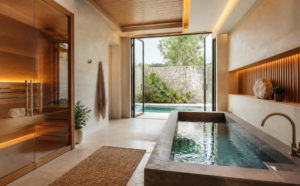
Your Home. Your Retreat.
Luxury home design continues to evolve with the way we live. First came larger gathering kitchens and expansive outdoor living spaces. Then, dedicated home offices became essential. Now, homeowners are creating another intentional space: the recovery room.
A luxury home wellness room gives homeowners a dedicated place to relax, recharge, and restore without leaving home. Depending on the lifestyle and preferences of the homeowner, the space might include a sauna, cold plunge, steam shower, massage area, or simply a quiet retreat.
The goal isn’t to add another impressive room to the floor plan. Instead, it’s about creating a space that supports the way you want to live.
What Is a Luxury Home Wellness Room?
A luxury home wellness room is a dedicated space designed around relaxation and personal wellness. Unlike a traditional home gym, the emphasis goes beyond exercise.
For example, a custom recovery room might include:
- Infrared or traditional sauna
- Cold plunge
- Steam shower
- Spa-style soaking tub
- Massage or treatment area
- Stretching or meditation space
- Heated floors and towel warmers
- Integrated sound and lighting
- Custom wellness storage
- Hydration or beverage station
Because custom construction allows these features to become part of the architecture, the result can feel like a private retreat rather than a collection of equipment.
Why Recovery Rooms Are Becoming Part of Luxury Home Design
Luxury isn’t simply about adding square footage. It’s about making every space purposeful.
Today’s homeowners increasingly want their homes to support the way they spend their time. A dedicated wellness space, therefore, creates a private retreat where they can step away from the activity of the rest of the house.
It might become a quiet morning retreat, a place to unwind after a long day, or a space to relax after an active weekend.
Most importantly, thoughtful design keeps the room from feeling like an afterthought. The architecture, finishes, lighting, and equipment should work together from the beginning.
Designing a Recovery Room Around the Experience
The equipment matters, but it isn’t the entire experience.
Instead, consider the elements that shape how the room feels: natural stone, warm wood, soft architectural lighting, acoustics, ventilation, temperature control, and privacy.
In a coastal home, these details can create an even stronger connection to the surrounding environment. Imagine a warm wood sauna overlooking a landscaped courtyard, a cold plunge near a private outdoor shower, or expansive windows that bring in natural light while maintaining privacy.
As a result, the recovery room becomes less like a home gym and more like a private coastal retreat.
Bringing Coastal Living Into the Wellness Experience
The Cape Fear region naturally lends itself to this approach. Homeowners spend their days on the water, at the beach, on the golf course, or enjoying the outdoors.
A thoughtfully designed recovery room can complement that lifestyle.
For example, after a morning on the water, a homeowner can return to a private space designed for relaxation. After a round of golf, the room can become a place to unwind. Meanwhile, a quiet evening at home can feel more restorative with a dedicated retreat just steps away.
The point isn’t to fill the room with wellness amenities. It’s to create a space that supports the homeowner’s lifestyle.
The Details That Make a Recovery Room Feel Custom
This is where luxury construction makes a difference.
Rather than placing standalone products into an existing room, a custom builder can integrate the wellness experience into the home’s architecture. Concealed equipment, custom cabinetry, natural stone, frameless glass, architectural lighting, and premium plumbing fixtures can all contribute to a cohesive design.
In addition, the room’s location matters.
A private entry from the primary suite, direct access to an outdoor shower, or a seamless connection to the pool and lanai can make the entire experience feel intentional.
Ultimately, the most luxurious spaces often feel effortless because every detail was considered before construction began.
Planning the Infrastructure From the Start
A recovery room also demonstrates why early planning matters in custom construction.
Saunas, steam showers, cold plunges, heated floors, and specialty plumbing can require specific electrical, ventilation, drainage, waterproofing, and climate-control considerations.
Therefore, incorporating these requirements during the design phase gives the builder greater flexibility and helps prevent compromises later.
At Gwathmey Residential Group, we approach these spaces as part of the home’s overall design—not as an amenity added at the end of construction.
A Room Designed Around How You Want to Live
The most compelling part of a recovery room isn’t the sauna or cold plunge.
It’s the intention behind the space.
A custom home gives you the opportunity to design around your routines, priorities, and lifestyle rather than simply filling a floor plan with conventional rooms.
For one homeowner, that might mean a wine room. For another, it could be a theater, a private study, or a wellness retreat overlooking the coast.
That’s the advantage of building custom: your home can reflect not only how you live today, but how you want to live tomorrow.
At Gwathmey Residential Group, we believe exceptional homes should feel personal in every detail. From architectural features to spaces designed around everyday rituals, we build with purpose.
Because luxury isn’t simply about having more. It’s about having exactly what makes home feel like yours.
Luxury without Limits. Craftsmanship without Compromise.
Frequently Asked Questions
What is a recovery room in a luxury home?
A recovery room is a dedicated wellness space designed for relaxation and restoration. Depending on the homeowner’s preferences, it may include a sauna, cold plunge, steam shower, massage area, or quiet space for stretching and relaxation.
Does a recovery room need to be large?
Not necessarily. Instead, the size should reflect how you plan to use the space. Thoughtful design can create a highly functional wellness room without dedicating excessive square footage.
Can a recovery room connect to a pool or outdoor living space?
Absolutely. In a coastal custom home, connecting the wellness space to a pool, lanai, outdoor shower, or private courtyard can create a natural transition between indoor and outdoor living.
Should a wellness room be planned during the initial design?
Yes. Features such as specialty plumbing, ventilation, drainage, electrical requirements, and waterproofing work best when the team considers them during the early design and construction stages.
What makes a recovery room feel luxurious?
The experience comes from the details: natural stone, quality wood, architectural lighting, custom cabinetry, premium fixtures, integrated technology, and a design that complements the rest of the home.